
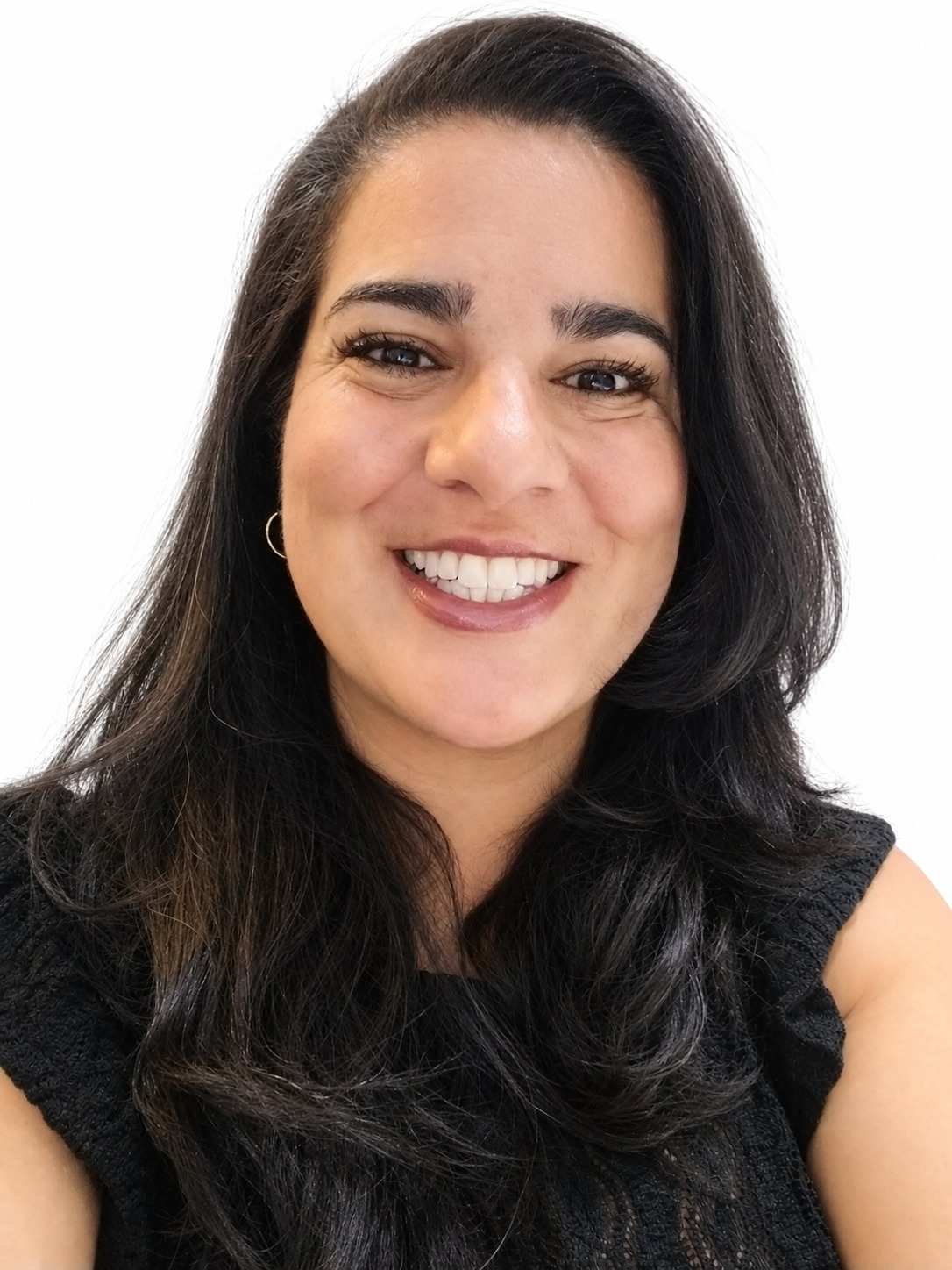
Natalia Jiménez Galindo
Lawyer
Independent Consultant
Colombia
A Colombian environmental lawyer, facilitator, and environmental peacebuilding practitioner with 15+ years of experience working where environmental governance and conflict transformation meet. Her journey began with a belief that law could “fix things.” Working alongside rural communities taught her something deeper: justice, peace, and security are not only about legal frameworks—they are about power, relationships, lived realities, and the people behind them. Years of working on socio-environmental conflicts linked to mining, oil, biodiversity, climate change, and infrastructure eventually led Natalia to question whether legal and policy strategies could unintentionally deepen polarization, violence, and insecurity. She later found environmental peacebuilding: a space where conflict, nature, power, and human relationships could be approached differently. Today, she brings an interdisciplinary and relational approach to complex environmental conflicts, creating spaces for dialogue across different perspectives, interests, and forms of knowledge. She works with communities, government institutions, the private sector, international cooperation actors, and multilateral organizations, helping stakeholders navigate competing interests, build dialogue, and develop more collaborative approaches to environmental governance and peace. Her practice combines political and institutional analysis, strategic thinking, ethical leadership, and advanced negotiation, writing, and communication skills. She uses these capabilities to strengthen institutions, support legal certainty, and contribute to evidence-based public decision-making in complex and contested environments. For Natalia, environmental peacebuilding is not a toolkit. It is a way of being. A way of working and relating that invites us to: - See ourselves as whole human beings; - Stay connected to nature; - Question the narratives we inherit; - Let ethics guide our expertise and curiosity: - Build the technical skills needed to create meaningful change; - Learn new ways of listening, relating, and understanding one another; - Know our wounds and our light; and, - Ask ourselves not only “What am I doing?” but also “Who am I becoming through it?” Because transforming systems without transforming ourselves has limits. Her work is grounded in a simple conviction: meaningful change requires working not only on systems and institutions, but also on the relationships, narratives, and people that shape them.